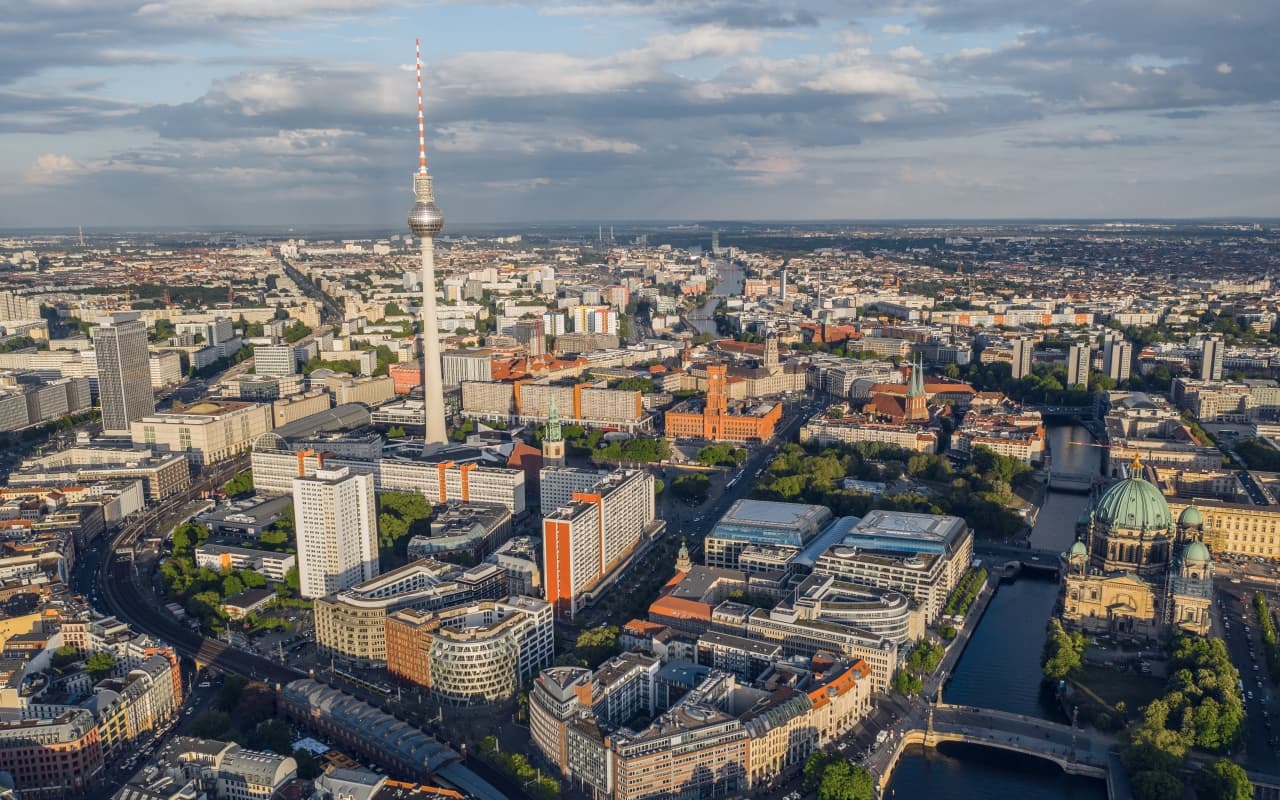
Overview of the Rental Market in Berlin
Berlin, Germany's vibrant capital, is known for its rich cultural scene, thriving startups, and diverse neighborhoods. However, the rental market is competitive, with high demand and limited inventory driving prices up. As a result, securing a rental property can be challenging, especially for international renters unfamiliar with the local landscape. Understanding the market dynamics is crucial for a successful rental experience in this bustling city.
Types of Rental Properties Available
In Berlin, you can find various types of rental properties, including:
- Apartments (Wohnungen): The most common rental option, ranging from studio apartments to multi-bedroom units.
- Houses (Häuser): Available in suburban areas, ideal for families looking for more space.
- Shared Flats (WG - Wohngemeinschaft): A popular choice among young professionals and students, where you rent a room in a shared apartment.
Each type of rental property has its own set of pros and cons, so consider your lifestyle and budget when deciding.
Typical Lease Terms and Tenant Rights in Germany
In Germany, lease agreements typically range from one year to an indefinite term. Tenants have strong rights, which include:
- Protection from eviction: Landlords must provide valid reasons for terminating a lease.
- Rent control: The Berlin rent cap system regulates how much rent can be increased annually.
- Subletting: Tenants have the right to sublet their apartments with the landlord’s consent.
Familiarize yourself with these rights to ensure a fair rental experience.
Required Documents for Renting
When applying for a rental in Berlin, prepare the following documents:
- Proof of income: Recent pay slips or bank statements to demonstrate financial stability.
- Schufa report: A credit report that shows your creditworthiness in Germany.
- References: Letters from previous landlords or employers attesting to your reliability.
Having these documents ready will streamline your application process and improve your chances of securing a rental.
Security Deposits and Upfront Costs
In Berlin, it is common for landlords to require a security deposit (Kaution), typically amounting to three months' rent. This deposit is held to cover any potential damages or unpaid rent. Additionally, renters should budget for:
- First month's rent: Usually payable upfront.
- Broker fees: If you use a real estate agent, expect to pay a fee (although many listings are now available without brokerage fees).
Be prepared for these upfront costs to avoid any surprises during your rental journey.
Tips for Apartment Hunting and Viewings
Finding the right apartment in Berlin requires patience and strategy:
- Start early: Begin your search at least a few months before your planned move.
- Use reliable websites: Platforms like ImmobilienScout24 and WG-Gesucht are popular for browsing listings.
- Schedule viewings: Always prioritize in-person viewings to assess the property thoroughly. If you can't be there in person, consider booking a live video tour.
Utilizing HomeVisto can greatly enhance your apartment hunting experience. HomeVisto offers live property verification, allowing you to verify the apartment's condition before signing a lease, making it especially useful for international renters.
Red Flags to Watch Out For
When searching for a rental, stay vigilant for potential scams and problematic landlords:
- Unrealistic prices: If a listing seems too good to be true, it probably is. Compare similar listings to gauge realistic pricing.
- Request for cash payments: Legitimate landlords will not ask for upfront payments without proper documentation.
- Poor communication: If a landlord is unresponsive or evasive, it may indicate issues down the line.
HomeVisto helps mitigate these risks by providing GPS-verified inspections, ensuring the property exists and matches the listing. This verification can give you peace of mind during your search.
Utilities and Additional Costs to Budget For
Renters should account for additional costs beyond the monthly rent:
- Utilities (Nebenkosten): Typically include water, heating, and garbage collection. These can add an extra 2-4 euros per square meter.
- Internet and TV: Monthly costs for internet and television services.
- Home insurance: While not mandatory, it's advisable to protect your belongings.
Budgeting for these costs will help you avoid financial surprises after moving in.
Best Websites and Resources for Finding Rentals
To maximize your chances of finding the right rental property, utilize these resources:
- ImmobilienScout24: One of the largest real estate platforms in Germany.
- WG-Gesucht: Ideal for finding shared flats and room rentals.
- HomeVisto: Use this platform for live property verification and to check essential aspects like internet speed and noise levels, crucial for remote workers.
With these tools and tips, you can navigate Berlin's rental market more effectively. By preparing adequately and utilizing resources like HomeVisto, you can find a home that suits your needs while ensuring a safe and hassle-free renting experience.